
If you've started searching for a Spanish tutor, you've probably noticed something: most tutors teach Latin American Spanish. That's not surprising — there are far more Spanish speakers in Latin America than in Spain, and many tutoring platforms are dominated by tutors from Mexico, Colombia, Venezuela, and Argentina.
But what if you specifically want to learn European Spanish? Maybe you're planning to move to Spain, work with Spanish companies, or simply prefer the sound and style of Castilian Spanish. Finding a tutor from Spain takes a bit more effort, but it's absolutely worth it if European Spanish aligns with your goals.
This guide will walk you through exactly how to find a qualified Spanish tutor from Spain, what to look for, what to avoid, and how to make sure you're getting authentic instruction.
Why Does It Matter Where Your Tutor Is From?
Let's address this upfront: Spanish is Spanish. A tutor from Mexico can absolutely teach you Spanish, and you'll be understood in Spain. The core grammar, the vast majority of vocabulary, and the fundamental structure of the language are the same everywhere.
But there are real differences that matter, especially if you have specific goals:
Pronunciation
The most obvious difference is the "distinción" — in Spain, the letters "c" (before e/i) and "z" are pronounced with a "th" sound. "Cerveza" becomes "thehr-BEH-thah." This isn't a lisp; it's a standard feature of Castilian pronunciation that you won't learn from a Latin American tutor.
Vosotros
Spain uses "vosotros" as the informal plural "you" — a form that's essentially extinct in Latin America. If you're planning to live in Spain or consume Spanish media, you need to understand and use vosotros. A Latin American tutor likely won't teach it because they don't use it.
Vocabulary
Everyday words differ. In Spain: coche (car), ordenador (computer), móvil (cell phone). In Latin America: carro, computadora, celular. These differences are manageable, but learning the "wrong" vocabulary for your destination can cause confusion.
Cultural Context
Language carries culture. A tutor from Spain can teach you about Spanish meal times, social customs, humor, regional identities, and the unwritten rules of communication that only a native understands. This context is invaluable if you're planning to spend time in Spain.
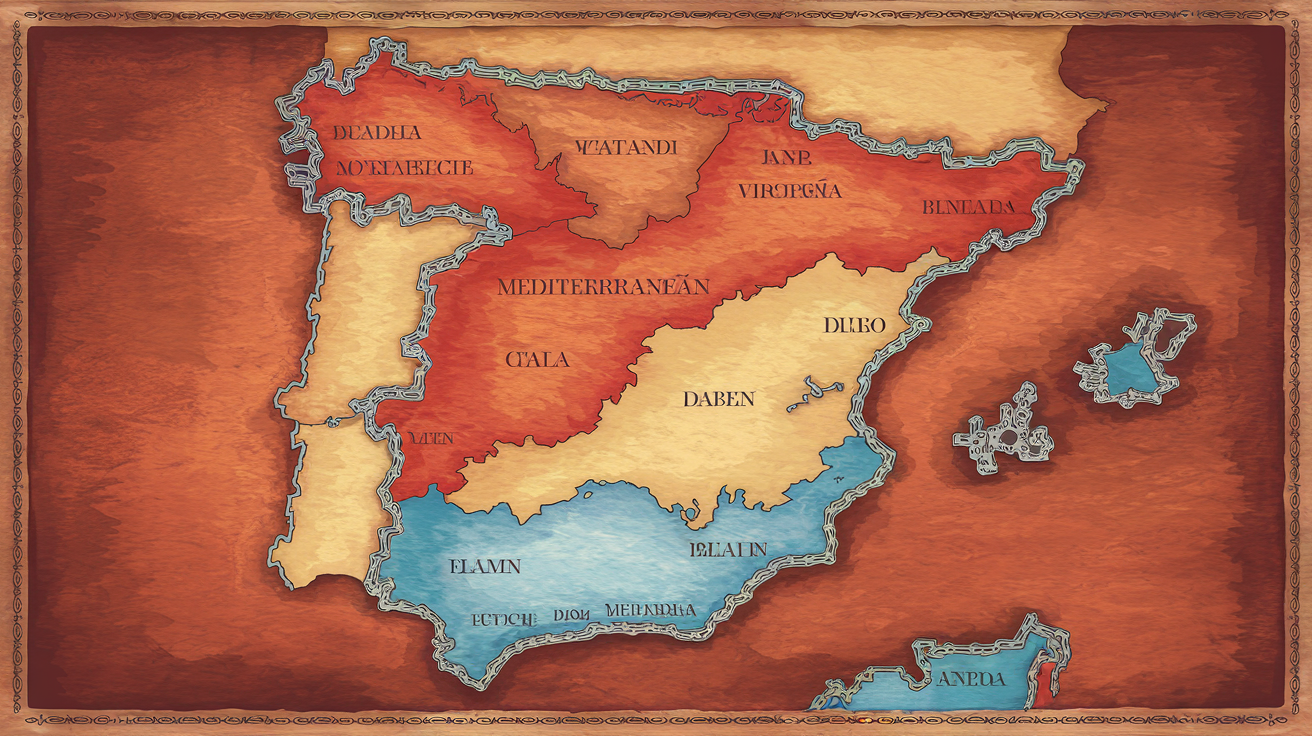
Spain has distinct regions, each with their own accents and expressions.
Where to Find Spanish Tutors from Spain
Here's the practical part. These are the main places to look, along with the pros and cons of each:
1. General Tutoring Platforms (italki, Preply, Verbling)
These platforms have thousands of Spanish tutors, and you can filter by country of origin. The challenge is that tutors from Spain are a small minority, and quality varies wildly.
- + Large selection, easy to browse profiles and reviews
- + Trial lessons available at low cost
- − Tutors from Spain are outnumbered 10-to-1 by Latin American tutors
- − Many "tutors" are just native speakers without teaching experience
- − Platform fees increase the effective price
2. Independent Tutors with Their Own Websites
Some tutors operate independently, marketing through their own websites and social media. This is often where you find more experienced, professional teachers who've built a reputation.
- + Usually more experienced and committed to teaching
- + No platform fees — better value for both sides
- + Can see their teaching philosophy and approach upfront
- − Harder to find — requires searching beyond big platforms
- − No built-in review system (though testimonials help)
3. Language Schools in Spain (Online Programs)
Many Spanish language schools now offer online private lessons. These are staffed by professional teachers, often with formal qualifications.
- + Teachers are typically trained professionals
- + Structured curriculum and materials
- − Usually more expensive than independent tutors
- − Less flexibility in scheduling
- − May not get the same tutor each time
4. University Spanish Departments
Graduate students and adjunct instructors from Spanish universities sometimes offer private tutoring. This can be a good option if you want someone with academic credentials.
- + Often have teaching experience and formal training
- + May offer competitive rates
- − Availability can be limited around academic schedules
- − Not easy to find or contact

Online lessons make it possible to learn from a tutor in Spain regardless of where you live.
What to Look for in a Tutor from Spain
Finding someone from Spain is just the first step. Here's what separates a good tutor from a great one:
Teaching Experience (Not Just "Native Speaker")
Being a native speaker doesn't make someone a good teacher. Look for tutors who have actual teaching experience — whether that's formal classroom teaching, private tutoring, or structured online instruction. Ask how long they've been teaching and what kinds of students they've worked with.
Relevant Qualifications
While not strictly necessary, credentials add confidence. Look for degrees in education, linguistics, or Spanish language teaching. Certifications like ELE (Español como Lengua Extranjera) indicate specialized training in teaching Spanish to non-native speakers.
Clear Communication About Their Approach
A good tutor should be able to explain how they teach. Do they focus on conversation? Grammar? A mix? How do they handle different levels? How do they track progress? If a tutor can't articulate their approach, that's a red flag.
Experience with Your Level
Teaching beginners requires different skills than teaching advanced learners. If you're starting from zero, you want someone who's patient and experienced with beginners. If you're intermediate, you want someone who can push you past the plateau.
Good Reviews or Testimonials
Whether on a platform or their own website, look for specific feedback from past students. Generic praise ("Great teacher!") is less useful than specific comments about what the tutor does well.
Red Flags to Watch Out For
"I can teach you any accent"
A tutor from Spain teaching Latin American Spanish (or vice versa) is like a British person teaching American English. They can do it, but it won't be authentic.
No trial lesson offered
Reputable tutors typically offer a trial or consultation so you can see if you're a good fit. Be wary of anyone who wants commitment upfront.
Vague about qualifications
If a tutor won't share their background or experience, move on. Transparency is a baseline expectation.
Unrealistic promises
"Fluent in 3 months!" — Language learning takes time. Anyone promising overnight results is selling something, not teaching.

The best tutors focus on real conversation, not just textbook exercises.
Questions to Ask Before Booking
Before committing to lessons, ask these questions (a good tutor will welcome them):
-
1."Where in Spain are you from?"
This tells you about their accent and regional background. A tutor from Andalusia will sound different from one from Madrid or the Basque Country.
-
2."How long have you been teaching Spanish?"
Experience matters. Someone who's been teaching for years has seen every type of learner and knows how to adapt.
-
3."What's your teaching approach for someone at my level?"
Their answer reveals whether they have a methodology or just "wing it."
-
4."How do you structure lessons?"
Good tutors have a plan. They don't just show up and chat aimlessly.
-
5."What materials do you use?"
Do they provide materials, or do you need to buy textbooks? A good tutor usually provides what you need.
-
6."Can I do a trial lesson first?"
If the answer is no, that's concerning. Most tutors offer some form of trial.
What to Expect in Terms of Cost
Tutors from Spain tend to charge more than tutors from Latin America, partly because the cost of living in Spain is higher, and partly because they're in higher demand among learners specifically seeking European Spanish.
Here's a rough guide to what you might expect:
| Type | Typical Range (per hour) |
|---|---|
| Platform tutors (italki, Preply) | $15–40 |
| Independent professional tutors | $30–60 |
| Language school online programs | $40–80 |
| University instructors (private) | $25–50 |
Price isn't everything. A $50/hour tutor who accelerates your learning is better value than a $15/hour tutor who wastes your time. Focus on finding the right fit first, then consider cost.
Making the Most of Your Lessons
Once you've found a tutor, here's how to get maximum value:
- • Be clear about your goals. Tell your tutor exactly why you're learning Spanish and what you want to achieve. The more specific, the better.
- • Do the homework. Progress happens between lessons as much as during them. Practice what you learn.
- • Speak more than you listen. You're paying for speaking practice. Don't let your tutor do all the talking.
- • Ask for feedback. A good tutor will correct you, but you can also ask for specific feedback on pronunciation, grammar, or vocabulary.
- • Be consistent. One lesson per week minimum. Two is better. Sporadic lessons don't build momentum.
The Bottom Line
Finding a Spanish tutor from Spain requires more effort than finding any Spanish tutor, but it's worth it if European Spanish matches your goals. Look beyond the big platforms, prioritize teaching experience over just being a native speaker, and don't be afraid to ask questions before committing.
The right tutor will teach you more than vocabulary and grammar — they'll give you the pronunciation, expressions, and cultural context that make your Spanish sound authentically Spanish.